

Clean Beauty Is On Track to Grow By 14 Percent by 2035 According to Market Research
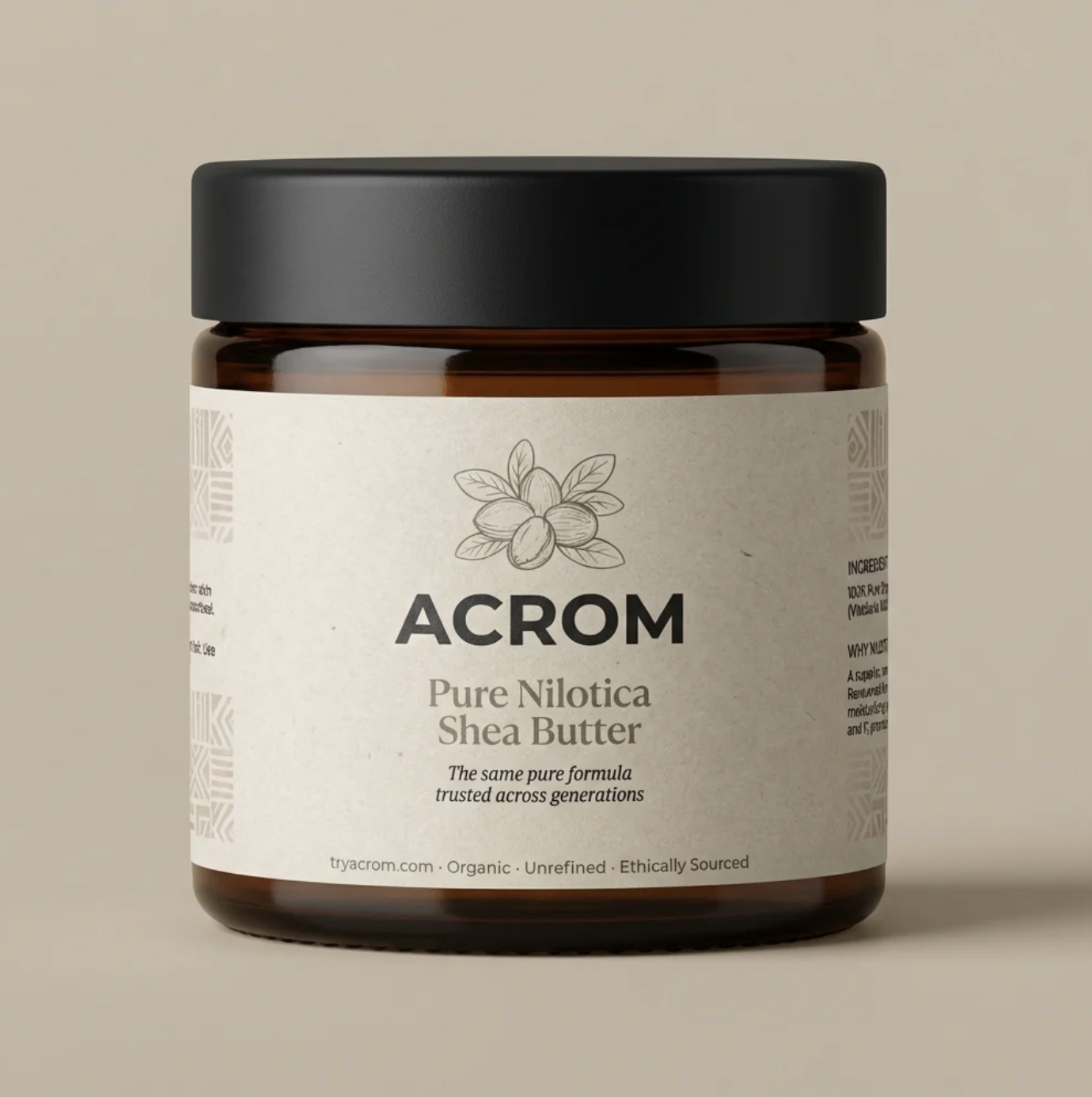
Acrom Shea Butter
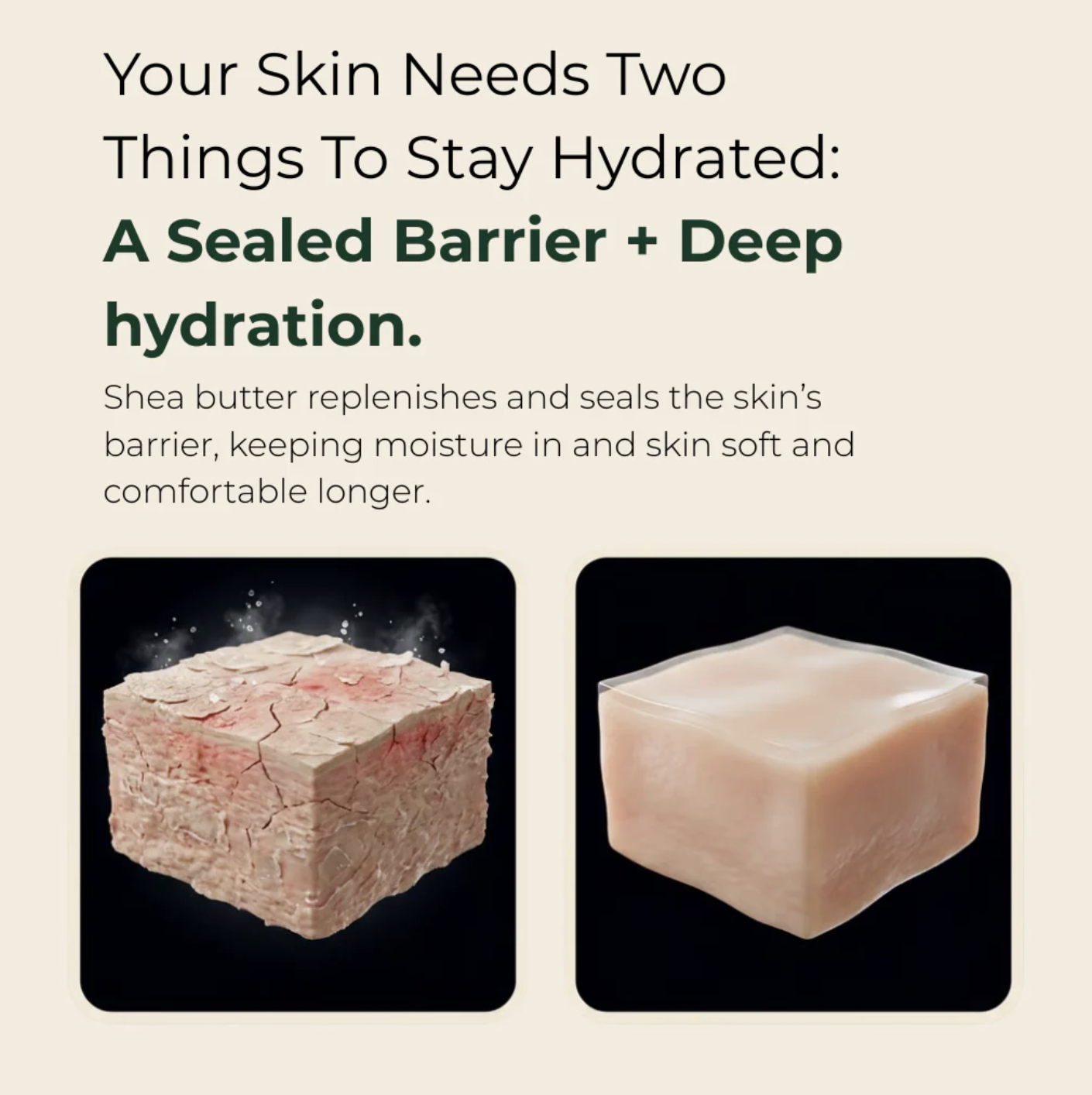
Acrom Nilotica Shea Butter
New market research projects the category to reach 31.9 billion dollars by 2035, with natural, plant-based products driving double-digit annual growth.
DOVER, DE, UNITED STATES, July 28, 2026 /EINPresswire.com/ -- The clean beauty market reached about 7.11 billion dollars in 2024 and is on track to more than quadruple over the next decade, according to new projections from Market Research Future. The research puts annual growth at about 14.6 percent through 2035, driven by demand for natural, plant-based formulas.Clean beauty is often described as a passing wellness trend. The projections point the other way. A short-lived trend shows up in market data as a spike followed by a plateau. The research instead projects steady double-digit growth every year through 2035. That pace has carried natural products from a niche preference to a category valued in the billions, and spending on them continues to climb.
The Market Math
The projections describe sustained growth rather than a single strong year. The growth compounds year over year, which is how a $7 billion market passes $30 billion within a decade. The 14.6 percent figure is an annual rate the researchers expect the category to sustain from 2025 through 2035, not a one-year result.
Clean beauty market size in 2024: about 7.11 billion dollars (Market Research Future, 2024)
Projected market size by 2035: about 31.9 billion dollars (Market Research Future, 2025)
Projected growth rate: about 14.6 percent CAGR from 2025 to 2035 (Market Research Future, 2025)
At that rate, the projected 2035 market is roughly four and a half times its 2024 size, driven by the same factor the researchers name: demand for natural, plant-based products. For retailers and brands deciding where shelf space and development budgets go, a decade of projected double-digit growth signals a long-term category rather than a short-term trend.
What Is Driving It
The demand shows up at the ingredient level. In the shea category, about 63 percent of sales go to raw, unrefined shea, according to Grand View Research. The majority of the segment's sales now go to the least processed form of the ingredient rather than refined alternatives.
That is the pattern the growth projections rest on. The category is being driven by a consumer preference rather than a new technology: shoppers are choosing shorter ingredient lists, recognizable plant ingredients, and less processing. The shea figure shows that preference is now strong enough to account for the majority of a category's sales.
Consumer survey data point the same way and add a second layer: shoppers want natural ingredients but do not automatically believe the claims on the label. In a 2024 survey of 1,000 Americans conducted by TGM Research for NSF, most consumers said natural ingredients matter to them, while only a small minority said they fully trust voluntary "natural" and "organic" label claims.
Consumers who consider organic ingredients important in personal care: 74 percent (NSF / TGM Research, 2024)
Consumers who completely trust voluntary "natural" labels: 9 percent (NSF / TGM Research, 2024)
Consumers who want a clear ingredient list to spot harmful ingredients: 65 percent (NSF / TGM Research, 2024)
The gap between those first two numbers is the practical problem clean beauty is now competing to solve. Demand for natural products is high, but trust in the word "natural" on a label is low, which puts a premium on products a shopper can verify by reading the ingredient list rather than taking a claim on faith. A short ingredient list is easier to check than a long one, and a single-ingredient product is the shortest list there is.
What This Looks Like on the Shelf
On the shelf, the trend shows up as simpler products. The category's early growth came from reformulation, removing contested ingredients from established products. Its current growth increasingly comes from products made simple from the start. The single-ingredient format sits at the far end of that range: nothing removed because nothing was added, which is the version of clean beauty the raw and unrefined numbers show shoppers already choosing.
Much of that buying is happening online. A separate Grand View Research analysis put the natural cosmetics market at about $31.8 billion in 2023, projected to reach roughly $45.6 billion by 2030, with the online channel its fastest-growing path to the shopper at about 8.8 percent a year. For a shopper who wants to read an ingredient list before buying, the direct-to-consumer channel is well suited, since the full label and product details sit on the page rather than on a shelf tag.
"Each of these purchases is a personal choice, and together they are changing the category," said a spokesperson for Acrom, a clean beauty brand built on minimally processed, African-sourced ingredients. "Shoppers keep moving toward fewer ingredients and less processing, and the projections show that holding for another decade."
Plant-based brands like Acrom are part of that shift, with a range built on a single-ingredient jar of pure Nilotica shea butter, African black soap, and an African net sponge.
It sits inside a clean beauty market Market Research Future values at over 7 billion dollars. If the projections hold, demand for plant-based products will keep the category growing at double-digit rates through 2035.
About Acrom
Based in Dover, Delaware, Acrom is a clean beauty brand built on minimally processed, quality-sourced ingredients, on a mission to bring high-quality, reliable natural personal care products to more people.
Acrom Team
Acrom
support@tryacrom.com
Legal Disclaimer:
EIN Presswire provides this news content "as is" without warranty of any kind. We do not accept any responsibility or liability for the accuracy, content, images, videos, licenses, completeness, legality, or reliability of the information contained in this article. If you have any complaints or copyright issues related to this article, kindly contact the author above.
